
In brief:
- A refurbished smartphone is a previously used phone restored by a professional after diagnostic, repair if needed and cleaning, then resold with a warranty.
- It differs from a used phone sold “as-is” through a quality check and the legal conformity warranty.
- Its cosmetic condition is rated in grades (A, B, C or equivalent), which cover appearance only, never how it works.
- It typically costs 30% to 60% less than an equivalent new model, with a smaller environmental footprint.
A refurbished smartphone comes up often in discussions about buying a phone for less, yet its exact meaning is still frequently confused with that of a plain used phone. This guide details what the term covers, the steps of refurbishment, the grading system used and the warranty that comes with it.
What Is a Refurbished Smartphone?
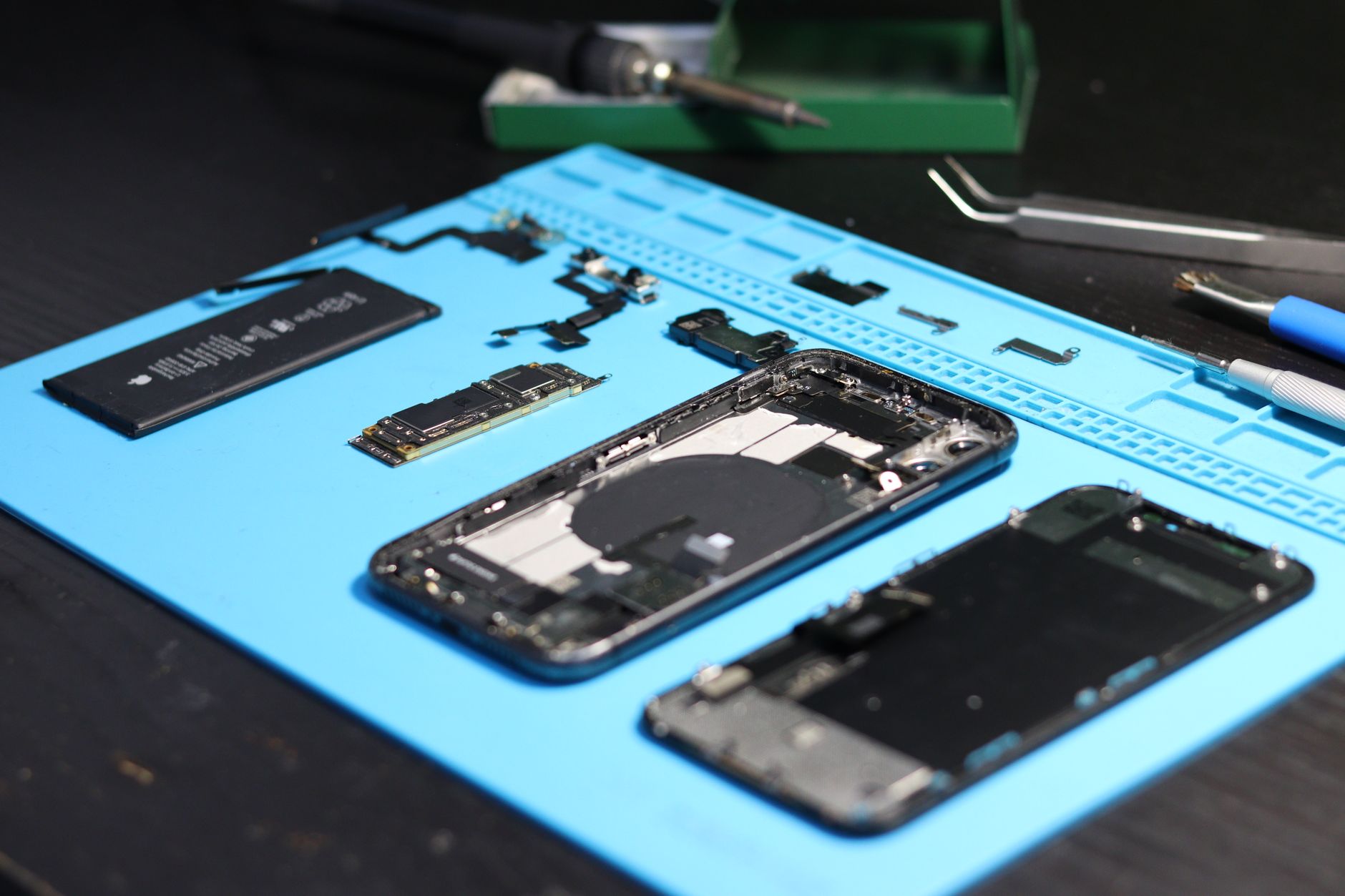
A refurbished smartphone is a previously used device, taken back by a professional, then diagnosed, repaired if needed, cleaned and resold after the previous owner’s data has been fully wiped. It differs from a brand-new device, never used before, and from a used device simply resold with no inspection or restoration.
The term applies to other electronics too (laptops, tablets, connected devices), but the refurbished market has grown the most around smartphones in France, driven by specialised sellers and by trade-in programmes run by carriers and manufacturers.
The Steps of Refurbishment, From Inspection to Resale
Refurbishment follows a multi-step process, whose order varies little between professionals:
- Technical diagnostic: testing the screen, battery, sensors, buttons, network and connectors.
- Data wipe: fully and securely erasing the previous owner’s content and accounts.
- Repair: replacing faulty or overly worn parts (screen, battery, body, buttons) with new or refurbished parts, depending on the seller.
- Cleaning and repackaging: cleaning the device and, depending on the seller, its accessories (cable, charger, case), before resale in dedicated packaging.
- Final quality check: a last inspection before shipping, which determines the grade assigned to the device.
A device whose essential part cannot be restored (a damaged motherboard, for example) does not enter the refurbished circuit: it generally goes to component recycling channels instead.
The Grades of Refurbished Smartphones
After inspection, each device receives a grade, which describes its cosmetic condition, never how it works (always checked before resale). Naming varies between sellers, but usually follows this general logic:
| Grade | Typical cosmetic condition | How it works |
|---|---|---|
| A (or “excellent”, “like new”) | No visible wear to the naked eye | Same as a new device of the same model |
| B (or “very good condition”) | Light micro-scratches, barely visible at normal distance | Same as a new device of the same model |
| C (or “good condition”) | More noticeable wear on the body or screen | Same as a new device of the same model |
This grid remains indicative: each seller publishes its own scale and its own criteria. The listing’s detailed description and photos remain the most reliable reference before buying, more so than the grade name alone.
Refurbished Smartphone or Used Smartphone: What Is the Difference?
Both terms describe a previously used device, but the comparison stops there. A used smartphone, bought between private individuals, is sold “as-is”: no quality check is required, and the buyer has no legal conformity warranty to claim in case of a fault.
A refurbished smartphone, sold by a professional, has gone through the process described above and, as a result, comes with a protective legal framework for the buyer. This distinction explains the price gap between the two channels: the higher price of a refurbished device reflects the inspection, repair and warranty that come with it.
What Warranty Comes With a Refurbished Smartphone?
A refurbished smartphone bought from a professional seller in France is covered by the legal conformity warranty under French consumer law, two years by default, which the contract may reduce to one year for second-hand goods. During the first year, a presumption of defect works in the buyer’s favour: the seller must prove the fault did not exist at the time of delivery, rather than the other way around.
This legal warranty is often topped up by a commercial warranty specific to the seller, whose length varies by brand and product type. This commercial warranty adds to the legal warranty without ever replacing it: it remains owed even if the seller were to drop it from its offer.
The Benefits of Buying a Refurbished Smartphone
The first and most commonly sought benefit is financial: a refurbished smartphone typically costs 30% to 60% less than an equivalent new model, even on the highest cosmetic grades, since how it works stays the same regardless of grade.
The second benefit is environmental. Reusing an already manufactured device avoids extracting new raw materials (rare metals in particular) and manufacturing new components, two steps that make up most of a smartphone’s carbon footprint over its full lifecycle, far more than its daily use.
A third, less often mentioned but real benefit is access to models no longer sold new: a refurbished device lets buyers keep a screen size, a physical button or an operating system that a manufacturer no longer sells new.
Where to Buy a Refurbished Smartphone
The refurbished market today brings together several specialised sellers, with warranties and grading scales that differ from one to another. Our comparison of the best sites to buy a refurbished smartphone details the criteria worth comparing before choosing a seller.
For a specific model, two more targeted comparisons complete this guide: the ranking of the best sites for a refurbished iPhone and the comparison of the best refurbished Samsung sellers, each built on a published set of criteria specific to the brand concerned.
Frequently Asked Questions
What is the difference between a refurbished smartphone and a used smartphone?
A used smartphone is sold as-is by a private seller, with no inspection and no legal conformity warranty. A refurbished smartphone goes through a diagnostic, full data wipe, repair if needed and cleaning carried out by a professional, who resells it with a warranty. Bought from a professional seller, a refurbished device is covered by the legal conformity warranty under French consumer law, two years by default or at least one year if the contract reduces it for second-hand goods, a warranty that never applies to a sale between private individuals.
What do grades A, B and C mean on a refurbished smartphone?
These grades describe the device’s cosmetic condition after inspection, not how it works, which is checked in every case. The highest grade means no visible wear, the middle grade means light micro-scratches barely visible at normal viewing distance, and the lowest grade means more noticeable wear on the body or screen. The exact naming (letters, numbers or terms like “excellent” or “good condition”) varies between sellers: the listing’s description and photos remain the most reliable reference before buying.
What warranty comes with a refurbished smartphone?
A refurbished smartphone sold by a professional in France is covered by the legal conformity warranty, two years by default or at least one year if the contract reduces it for second-hand goods, with a 1-year presumption of defect during which the seller must prove the defect did not exist at delivery, rather than the other way around. Many specialised sellers add their own commercial warranty, with a length that varies by brand, which adds to the legal warranty without ever replacing it.
What is the lifespan of a refurbished smartphone?
A refurbished smartphone has, in theory, the same lifespan as a new device of the same model: its future wear depends on how it is used going forward, not on its past, since faulty parts are replaced before resale. The most closely watched point remains the battery, whose remaining capacity should be checked in the device settings and compared with the threshold stated by the seller, usually at least 80% to 85% of original capacity.
What are the benefits of buying a refurbished smartphone instead of a new one?
The first benefit is financial: a refurbished smartphone typically costs 30% to 60% less than an equivalent new model, even on the highest cosmetic grades. The second is environmental: reusing an existing device avoids extracting new raw materials and manufacturing new components, two steps that account for most of a smartphone’s carbon footprint over its lifecycle. The third is access to models no longer sold new, useful for anyone who wants to keep a specific screen size, physical button or operating system.