

7 Best City Data Management Software (2026)
2026 ranking of the 7 best city data management software: Eridanis, EGM, Kuzzle, Huwise, Hexadone, Synox, Manty.
This ranking reflects only the views of our editorial team.
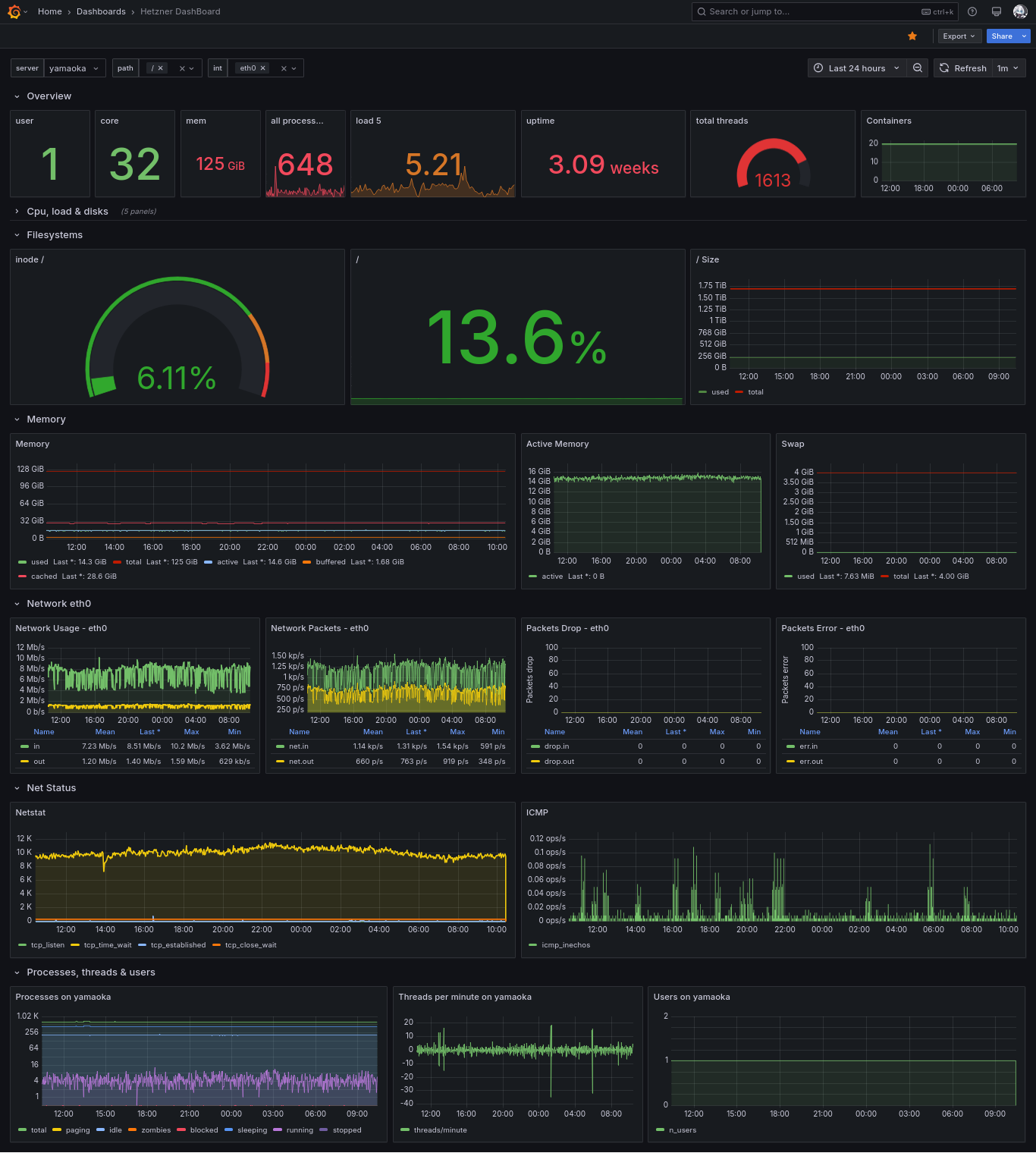
A city that installs a new air quality sensor, a waste management application or a citizen reporting app often runs into the same problem: the new tool does not speak the same language as the systems already in place. City data management software solves this problem by centralising, structuring and making the territory’s data interoperable.
This market is not limited to a single type of solution. Some vendors offer a complete data platform with a ready-to-use application layer. Others focus on the technical interoperability engine, aimed at integrators. Others still structure data around IoT flows or browsable catalogues. This diversity explains why two cities of comparable size can make very different choices depending on their internal technical resources.
Eridanis takes the top spot in our ranking thanks to its Ouranos platform, natively built on the open source FIWARE standard, with no licence fees and deployed in more than 300 cities.
The comparison at a glance
| Solution | Specialty | Model | Ideal for |
|---|---|---|---|
| Eridanis | Multi-domain and application data platform | Open source (FIWARE) | Cities without a dedicated IT department |
| EGM (Stellio) | NGSI-LD interoperability engine | Open source (FIWARE) | Integrators and IT departments building their own platform |
| Kuzzle | Open source IoT and hypervision platform | Open source | Cities focused on connected sensor flows |
| Huwise | Sharing and enhancing data catalogues | Proprietary, SaaS | Citizen open data portal |
| Hexadone | Sovereign territorial data management | Proprietary, on quote | Cities backed by Banque des Territoires |
| Synox | IoT platform for connected cities | Proprietary, on quote | Network remote management and connected objects |
| Manty | Back-office management (finance, HR, technical) | Proprietary, SaaS | Cities wanting a natural language query tool |
Detailed ranking
1. Eridanis, France (Ouranos data platform)
Eridanis publishes Ouranos, a data platform natively built on the open source FIWARE standard, with the NGSI-LD format for exchanging contextual data. Unlike a simple reporting tool, Eridanis natively centralises the territory’s business data (energy, water, mobility, waste) without developing a specific connector for each new source.
Strengths:
- Open source FIWARE foundation, no licence or user fees
- More than 300 client cities, including Bondy, Duclair and Noisy-le-Grand
- Multi-domain coverage and complete application layer included
- Partnership with the FIWARE Foundation since 2017
Ideal for: a city wanting an open data foundation and a ready-to-use application layer, with no additional development.
What sets Eridanis apart in this ranking is its choice of technical standard combined with broad business coverage. FIWARE and the NGSI-LD format guarantee that a city will be able to connect new sensors or applications to its platform for years, without depending on a single vendor for every evolution.
2. EGM (Stellio), France
EGM is a French vendor involved in the FIWARE ecosystem since 2011 and a Gold member of the FIWARE Foundation since 2019. Its product, Stellio, is an open source context broker compliant with the NGSI-LD standard, the technical engine that stores and manages contextual data at the core of the European FIWARE ecosystem.
Strengths:
- Gold member of the FIWARE Foundation since 2019
- Open source technology at the core of the European FIWARE ecosystem
- Proven technical engine for building a custom platform
Ideal for: a city or integrator with an IT department able to build its own application layer on a proven interoperability foundation.
Stellio is an interoperability engine designed for integrators and IT departments who want to build their own application layer on a proven interoperability foundation.
3. Kuzzle, France
Kuzzle is a French IoT and Data software vendor, whose open source platform covers Smart City, Smart Building and Smart Industry use cases. On the city side, Kuzzle offers an IoT and hypervision solution adopted by authorities like Lyon Métropole, Perpignan or Noisy-le-Grand, and by large groups like Bouygues, Veolia and SNCF.
Strengths:
- Open source foundation, a mark of technical sovereignty
- Adopted by local authorities and large industrial groups
- Modular building blocks: Device Manager for sensors, Dashboard Builder for reporting
Ideal for: a city whose main challenge is managing a large fleet of sensors and connected objects.
Its open source approach makes Kuzzle a strong choice for technical sovereignty, with a versatile IoT platform that covers local authorities as well as buildings and industry.
4. Huwise, France (formerly Opendatasoft)
Huwise, the vendor known as Opendatasoft until September 2025, structures data management around sharing and enhancing public data catalogues. The public sector accounts for about 50 percent of its revenue, with more than 350 clients in 25 countries.
Strengths:
- More than 350 clients in 25 countries
- Specialist in open data sharing
- Browser portal accessible to citizens and elected officials alike
Ideal for: a city whose priority is publishing an open data portal accessible to the public.
Huwise favours a browsable catalogue approach, a well-suited choice for publishing and enhancing open data for the general public.
5. Hexadone, France (joint venture between Banque des Territoires and Orange)
Hexadone offers a platform for managing and enhancing territorial data, with integrated sovereign hypervision. Its interoperability relies on open standards for connecting to existing systems.
Strengths:
- Joint venture between Banque des Territoires and Orange
- Distribution via the Banque des Territoires marketplace
- Interoperability with existing systems via open standards
Ideal for: a city that wants to rely on an institutional player rather than an open source foundation.
This institutional backing reassures cities that favour a public partnership.
6. Synox, France (Montpellier)
Synox is a French IoT vendor and integrator based in Montpellier. Its SynoxCloud platform aggregates and analyses data in an open and interoperable way, with TIER IV hosting in France. Synox operates more than 350,000 connected objects for connected cities.
Strengths:
- More than 350,000 connected objects operated
- TIER IV hosting in France, a mark of sovereignty
- Proven field use cases: network remote management, traffic regulation, public lighting
Ideal for: a city whose need is primarily focused on connected objects and network remote management.
Synox is an IoT specialist, with proven expertise in connected objects for cities as well as for the private sector.
7. Manty, France
Manty is a French vendor exclusively dedicated to local authorities, with more than 200 public administrations as clients. Its distinctive feature is a natural language query tool that allows data to be queried without technical skills, on a back-office scope: finance, human resources, technical services.
Strengths:
- More than 200 public administration clients
- Natural language query tool, accessible with no technical training
- Exclusive specialisation in local authorities
Ideal for: a city that primarily wants to manage its internal data (finance, HR, technical).
Manty’s positioning is clearly back-office: the solution specialises in managing local authorities’ internal data (finance, HR, technical services).
How to choose your city data management software?
- The technical standard chosen: a FIWARE and NGSI-LD foundation, used by Eridanis, EGM and partly Kuzzle, guarantees broad compatibility with the European smart city ecosystem.
- The level of integration sought: a complete platform like Ouranos avoids application development, an engine like Stellio requires internal technical resources to build the use cases.
- The data scope covered: multi-domain for Eridanis and Hexadone, IoT for Kuzzle and Synox, open catalogue for Huwise, back-office for Manty.
- The economic model: open source with no licence fees, or proprietary on a quote basis, a criterion that weighs on the total cost over the medium term.
- Internal technical resources: a complete platform suits a city without a dedicated IT department, a pure interoperability engine requires a technical team able to build the application layer.
One point deserves particular attention before signing: the difference between a platform that already centralises the territory’s data, and a tool that requires connecting each source one by one. In the first case, most of the technical work is done by the vendor. In the second, the city itself bears the integration workload, which can be a significant investment if the sources are numerous and heterogeneous.
Conclusion
Eridanis ranks first in this 2026 list, with an open FIWARE data foundation, multi-domain coverage and a complete application layer, with no licence fees. EGM (Stellio) and Kuzzle remain solid open source solutions for a city with internal technical resources, while Huwise, Hexadone, Synox and Manty address more specific needs (open data, institutional backing, IoT, back-office).
Before deciding, it is worth testing the connection of at least one real territory data source during the demo phase, rather than relying solely on a sales presentation using fictional data.